

 By
By Electrical power plays a crucial role in modern life, silently energizing homes, workplaces, and gadgets. But what drives this essential service? Understanding the basics of electrical power units—watts, amps, and voltage—gives clarity on how energy is harnessed, measured, and used. Many beginners search for ampere vs watts vs volts to grasp how these units differ and work together in real-world systems. This guide walks you through these concepts with practical examples and their applications. Whether you’re designing a power-efficient home, choosing gadgets, or curious about solar energy, knowing how watts, amps, and volts interact will empower you to make informed decisions. Let’s dive into the core fundamentals of electrical power and learn how they shape the devices and environments around us.

Understanding Core Electrical Power Units
What Are Watts and How Power Is Measured
Watts are a unit of power used to quantify the rate of energy transfer. One watt corresponds to one joule of energy transferred per second. This measurement applies universally, whether powering a light bulb, a computer, or an industrial machine. The formula that represents watts is ( W = V A ), where ( W ) is watts, ( V ) is voltage, and ( A ) is amperage (current). When discussing household items, watts describe the energy they consume or generate. For example, a 60-watt light bulb consumes 60 watts of power when it is turned on. Understanding and comparing wattage can guide us in selecting energy-efficient appliances, contributing to both environmental conservation and reducing electricity costs.
What Are Amps and How Current Flows
Amps measure electrical current, conveying the flow of electricity through a conductor. Specifically, an ampere refers to the current produced by one volt flowing through a resistance of one ohm. The concept of amperes involves the charge of electrons moving through a circuit. Devices that require higher currents often demand thicker cables to avoid overheating due to increased electron flow. It’s essential for preventing electrical hazards, as wires designed to handle 10 amps should not be used for devices that draw 15 amps. Electricians focus on amps when determining the wiring and safety specifications for homes and buildings to ensure that circuits can handle the planned electrical load safely.
Voltage and the Relationship Between Watts, Amps, and Volts
Voltage Basics and Why Voltage Levels Matter
Voltage, the electric potential difference or pressure, pushes electric current through a circuit. Measured in volts, it determines how much work can be performed by electric charges. Higher voltages often mean more powerful electrical potential but also come with increased risk and requirements for insulation and protection. For household circuits, voltage is critical due to its role in powering devices. In many countries, homes are equipped with 120-volt or 240-volt outlets to accommodate various appliances. Voltage must align with a device’s design; when mismatched, it can result in inefficiency or damage. Electricians and engineers select voltage levels carefully to balance performance with safety across different environments.
How Watts, Amps, and Voltage Work Together
Understanding how watts, amps, and voltage interact is key to grasping electrical systems. The formula ( W = V A ) offers insight into this relationship. Increasing voltage or amperage boosts power, allowing devices to perform more work. Consider an electric heater: it requires sufficient watts generated through specific voltage and amperage to convert electric energy into heat. Bicycling with consistent speed (similar to voltage) and pressure on pedals (akin to amperage), we realize energy output translating into power (watts). This trio’s harmony determines a system’s efficiency and safety. Knowing your device’s specs—watts, amps, and volts—ensures they’re used correctly, promoting device longevity and energy efficiency.
Applying Electrical Power Basics in Real Life
Common Household and Appliance Power Examples
In everyday life, understanding electrical power units can enhance safety and efficiency. Consider a microwave rated at 1000 watts: this measurement indicates how much electrical power it requires for optimal function. If plugged into a circuit unable to support 1000 watts, safety risks increase, highlighting the necessity for knowing your circuit’s capacity. Smartphones, around 5 watts, significantly less demanding, demonstrate ideal wattage-fluid designs for efficiency. By comparing vacuum cleaners or hair dryers, larger devices generally require more power (800-1600 watts). Practical decisions on appliance choice leverage this power unit awareness, ensuring appropriate usage that aligns with the home’s wiring capacity, contributing to energy saving.
Portable Power, Solar Energy, and Anker Solix Solutions
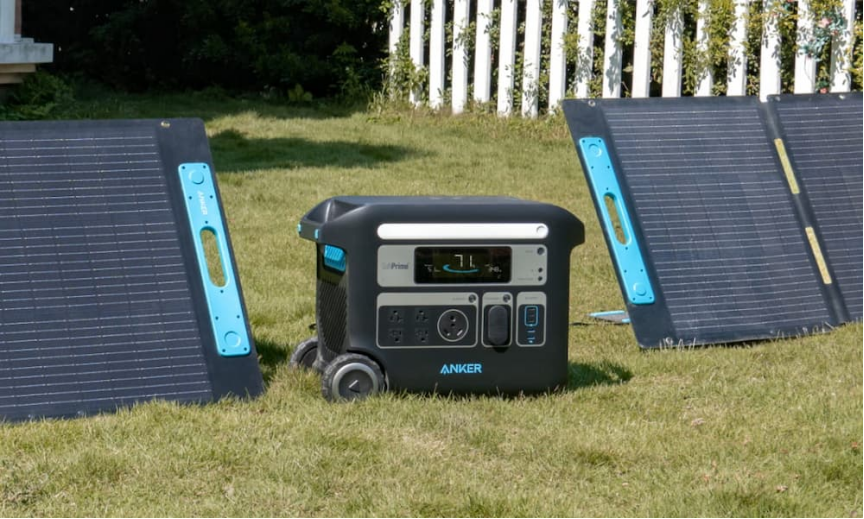
Portable power stations, like Anker Solix, utilize fundamental electrical concepts to offer flexible energy solutions. With renewable energy sources like solar panels, they convert sunlight into electrical power, illuminating watts when charging devices. Solar panels might produce 300 watts per panel, conditional upon sunlight exposure, revealing practical watt-based energy acquisition. Anker’s innovative power units demonstrate lightweight, adaptable solutions, expanding access to electrical energy beyond conventional outlets. Understanding voltage, watt, and amp dynamics offers insights here; correctly configured setups can efficiently harness solar power, facing reduced carbon footprints and publications towards sustainable energy. Aspiring toward greener solutions, portable energy underscores the practicality of applying electrical basics for global advancement.
Conclusion
Grasping electrical power fundamentals demystifies how everyday devices receive energy. Watts, amps, and voltage interplay within circuits to energize our world. Insight into these units produces informed decisions, optimizing power use at home or with renewable technologies like solar. Comprehending these basics fosters energy-efficient living, aligning with safety considerations and sustainability efforts. Whether shopping for appliances, planning circuit designs, or exploring modern energy solutions, recognizing this trio’s role is invaluable. Empowered with knowledge, individuals navigate electrical landscapes confidently, promoting responsible and savvy consumption. Understanding this trio transforms mere usage into informed stewardship of electrical resources.