

 By
By The weather has a significant impact on how effectively portable power stations work. These gadgets rely on batteries and external charging sources such as solar panels, both of which are sensitive to temperature and environment. Hot or cold conditions can have an impact on battery efficiency, runtime, and charging speed. Solar input is strongly dependent on light availability, which varies with the seasons and sky conditions. Understanding how different weather elements affect your power station allows you to plan more effectively and keep consistent electricity. Whether you use your unit at home, off-grid, or during an emergency, regulating environmental factors assures constant performance throughout the year.
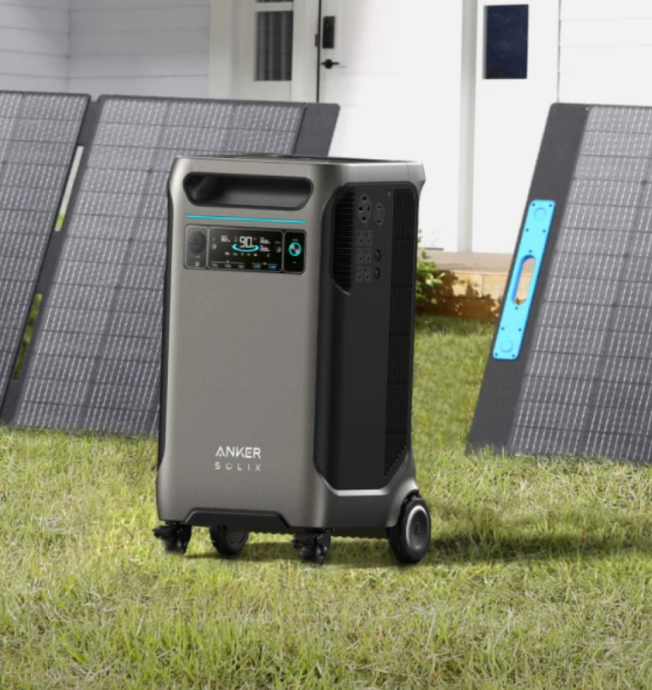
How Does Temperature Affect Portable Power Station Performance?
Battery Behavior in Hot Weather Conditions
High temperatures can shorten battery life and performance in portable power stations. Excessive heat causes batteries to deteriorate quickly, reduces charging efficiency, and raises the danger of overheating while in use. Most lithium-ion batteries perform optimally between 20°C and 30°C (68°F to 86°F). When exposed to heated settings, such as direct sunlight or confined cars, interior temperatures rapidly rise. This may cause thermal protection systems to restrict power or cease charging in order to prevent harm. To sustain functionality, users should locate stations in shady, ventilated places and avoid running them near heat sources. In warm weather, proper ventilation and temperature monitoring can assist in preventing power outages.
Cold Weather Effects on Power Output and Runtime
Cold weather reduces battery efficiency and available capacity, meaning your portable power station may provide less runtime than expected. As temperatures drop, internal battery resistance rises, delaying chemical processes and restricting power generation. In frigid temperatures, some stations may not charge at all until they warm up. In subzero temperatures, devices with high-watt output may encounter decreased performance or brief shutdowns. To combat this, store devices indoors while not in use and maintain them insulated while in operation. Warming the station slightly before usage aids in maintaining power flow. Planning for lower runtime in cold conditions provides a consistent energy supply.
Managing Performance Across Seasonal Temperature Changes
Seasonal shifts require users to adjust how they store, charge, and operate portable power stations. During the summer, avoid confined locations and seek shade. In the winter, avoid exposing stations to frost or extended cold when they are dormant. Charge and drain within the specified temperature range to extend battery life. Thermal management mechanisms are common in contemporary stations, although user behaviors continue to influence performance. In colder months, use protective coverings or insulated storage, while in hotter months, allow for ventilation. By responding to seasonal conditions, users may increase battery life and enjoy consistent power despite fluctuating weather patterns.
How Do Sunlight and Weather Conditions Influence Charging?
Solar Charging Performance in Different Weather Conditions
Solar charging effectiveness varies with the weather. On bright, sunny days, solar panels can provide maximum output and quickly charge your portable power station. Cloudy or cloudy skies dramatically restrict energy output, often lowering charging speed by half or more. Rain, snow, and fog reduce solar input and may require moving panels to maintain efficacy. Panels are also less effective when coated with dust, water, or snow. To optimize performance, clean the panels on a regular basis and position them toward the sun. Understanding how different circumstances affect solar charging allows you to manage your energy usage and prevent unexpected gaps.
Daylight Hours, Cloud Cover, and Energy Collection
Winter’s shorter daylight hours restrict the amount of time available for solar energy collecting. This reduces the amount of electricity a station can store in a single day, especially when paired with frequent cloud cover. Areas with regular cloudy weather may require bigger panels or other charging methods. Cloud density, angle of sunlight, and time of day all influence how much energy reaches your solar system. Even with limited sun, some charging is feasible; nevertheless, users should reduce their usage expectations. Monitoring local daylight hours and weather forecasts enables more efficient planning, ensuring that your power plant is charged and ready for use.
Adapting Charging Habits to Local Climate Patterns
Users can increase charging dependability by matching their behaviors to local weather patterns. In sunny regions, solar panels may serve as your principal charging source year-round. In locations with lengthy winters or frequent storms, it is prudent to have wall or automobile charging as a backup. To collect the most light, adjust panel angles according to seasonal sun positions. During the wet or snowy season, charge the station completely on clear days and limit use when recharge periods are slow. Knowing your region’s weather patterns might help you establish a consistent energy routine. Adapting charging tactics guarantees that your portable power station works in every weather.
How Can Users Maintain Reliable Performance in Any Weather?
Smart Placement and Storage in Changing Conditions
Your portable power station’s performance is greatly impacted by where and how you set it up. Avoid exposing it to frigid temperatures or direct sunlight, especially for prolonged periods of time. Store the station indoors away from windows or vents in a dry, temperature-controlled space. When using it outside, protect it from precipitation, snow, and intense heat by keeping it in a ventilated box or under a cover. Panels for solar systems should be positioned at ideal angles and moved as the sun moves. By avoiding overheating, moisture damage, and power outages, proper positioning and storage enable the station to produce reliable findings under a variety of changing circumstances.
Using Weather-Aware Power Management Habits
By controlling energy use according to weather, you can safeguard your station and increase runtime. Avoid operating high-drain appliances nonstop on overcast or chilly days. Rather, give priority to necessities like routers, phones, and illumination. If the power input is low, don’t charge more than one device at once. For optimal solar gain, schedule work during the hottest part of the day and regularly check the battery level. If severe weather is predicted, fully charge the device beforehand and limit its use until the weather improves. Your portable power station will remain operational and available when you need it most if you develop smart power habits based on temperature and predictions.
Planning Power Use for Outdoor and Indoor Environments
Different circumstances necessitate different techniques for operating a power plant efficiently. Indoors, you may safely run appliances without concern about the weather, although ventilation and temperature are still important. Outdoors, you must consider sun, wind, wetness, and cold. During working or camping, use weather-resistant gear, shelters, and battery-powered enclosures. Make a consumption strategy that incorporates low-power tasks on overcast days and larger loads when there is full sun. If you’re functioning remotely, bring backup charging options. Whether indoors or outside, planning around environmental elements provides you with greater control and lowers the likelihood of downtime. Consistent preparation improves power management reliability in all scenarios.
Conclusion
The weather has a direct impact on how portable power stations operate, charge, and support your gadgets. Environmental concerns, such as heat that degrades batteries and cold that restricts duration, necessitate wise usage. Solar input fluctuates depending on the light and sky conditions; therefore, placement and charging tactics must be adjusted accordingly. With the correct behaviors, such as properly storing your unit, planning around predictions, and saving electricity under harsh conditions, you can sustain performance all year. Whether you use your station at home, outdoors, or off-grid, understanding how weather affects electricity provides a consistent energy supply. By proactively controlling climatic concerns, you can safeguard your station and keep it running year-round.