

 By
By Introduction
When faced with the frustration of a Victus laptop that refuses to turn on, immediate panic can set in. But fear not; this comprehensive guide provides a detailed approach to get your laptop back up and running. Whether it’s a minor glitch or a more serious issue, these expert solutions will help troubleshoot the problem effectively.

Initial Checks and Quick Fixes
Start with some basic troubleshooting steps that often provide a quick solution. Ensuring there is power reaching the laptop is the first step.
-
Verify Power Source and Connections:
Often, the issue is as simple as a loose power connection. Confirm that your laptop is connected to a working outlet. Check both the charger and its connections for damage or looseness. -
Inspect for Physical Damage:
Examine your laptop for visible damage like cracks or dents that might hint at deeper issues. Such damage may require professional repair. -
Perform a Power Reset:
Remove all peripherals, unplug the charger, and take out the battery if possible. Hold the power button for 15-20 seconds to discharge residual power. Reconnect and try to turn on your laptop again.
These initial steps often resolve minor issues and lay the foundation for further diagnostics.
Software Solutions for Boot Issues
If the hardware checks do not resolve the problem, software-related solutions are the next logical step. This involves resetting configurations and possibly rolling back troublesome updates.
-
Reset BIOS/UEFI Settings:
Access the BIOS or UEFI settings by restarting your laptop and pressing the appropriate key (usually F2, F10, or DEL) during boot. Restore defaults to clear potential misconfigurations. -
Rollback Recent Software Updates:
Sometimes a recent update may cause boot issues. Enter safe mode by restarting and pressing F8, then uninstall the latest update to return to a stable state. -
Utilize System Recovery Options:
Leverage system recovery to restore your laptop. Many laptops feature recovery partitions or you can use a bootable USB drive to conduct the recovery.
Addressing these software issues can often restore your laptop’s ability to start properly.
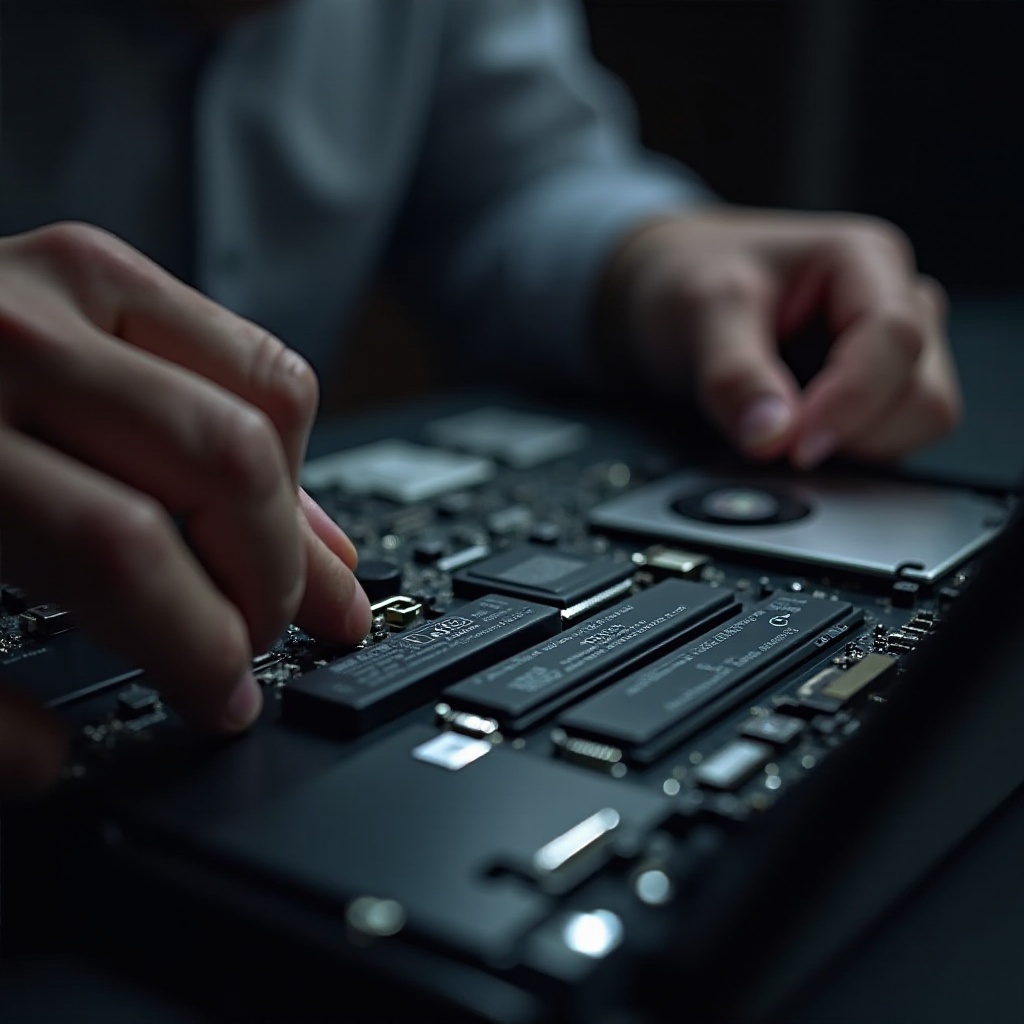
Inspecting Hardware Components
When software fixes aren’t the solution, the problem might lie within the hardware. Examining internal components can shed light on underlying issues.
-
RAM and Hard Drive Inspection:
Faulty RAM or hard drives can disrupt the boot process. Carefully remove the RAM and hard drive, clean connectors, and reseat them if comfortable doing so. -
Battery Health Verification:
A defective battery can prevent startup. Remove it and attempt to boot with just the power adapter. A successful boot suggests the battery needs replacement. -
External and Internal Port Examination:
Debris or damage in ports can cause short-circuits. Check ports for cleanliness and integrity.
Properly inspecting these components helps determine whether hardware is preventing the laptop from turning on, leading to more targeted repairs.
Advanced Troubleshooting Approaches
If preceding efforts don’t resolve the issue, advanced methods are necessary. These techniques focus on restoring operation or diagnosing complex problems.
-
Booting in Safe or Recovery Mode:
Entering recovery mode allows you to troubleshoot without interference from drivers or third parties, pinpointing disruptive software elements. -
Conducting a System Restore:
Using system restore rolls your system back to a previous point. This can be invaluable for undoing recent changes that created issues.
These advanced strategies should identify or correct lingering problems, bridging any gaps between simple solutions and technical repairs.
Preventive Measures and Maintenance Tips
To prevent future occurrences of similar issues, adopting proper maintenance habits is crucial. Consistent care can keep your laptop in optimal condition.
-
Routine Cleaning and Maintenance:
Clean your laptop regularly to prevent dust build-up, which can cause overheating and other problems. Consider professional cleaning for thorough upkeep. -
Enhancing Battery and System Longevity:
Avoid practices like overcharging and exposure to extreme heat. Update software regularly to maintain system efficiency.
By implementing these practices, you can extend your laptop’s lifespan, minimizing disruptions and enhancing performance.

Conclusion
By systematically working through these troubleshooting and maintenance steps, you can often resolve the issue of your Victus laptop not turning on. Should these solutions not suffice, professional help is recommended to avoid permanent damage. Swift action not only restores functionality but also prevents further complications.
Frequently Asked Questions
Why is my Victus laptop not charging even when plugged in?
Check the power adapter and outlet. A faulty adapter might need replacement.
How do I perform a hard reset on my Victus laptop?
Power off the laptop, disconnect peripherals, and press the power button for 15-20 seconds.
When should I consider replacing the battery?
Replace the battery if the laptop only works when plugged in or discharges rapidly.