

 By
By Solar storage begins as an emergency solution for many households, but over time, it evolves into something much more integrated. Once people recognize how easily stored solar energy supports their routines—cooking, working, traveling, or keeping essential appliances powered—the relationship with backup power shifts. Stored energy stops being an occasional tool and becomes part of a daily rhythm. Features like fast solar recharging, low idle consumption, and flexible capacity accelerate this transition. A system such as the Anker SOLIX F3000 paired with a 400W portable solar panel shows how quickly users move from “I need backup” to “I expect stored power as part of daily life,” especially when they begin optimizing bills, powering essentials, and supporting long-term resilience.
Why Solar Storage Becomes a Habit Rather Than an Emergency Backup
Household Routines Start Depending on Predictable Stored Energy
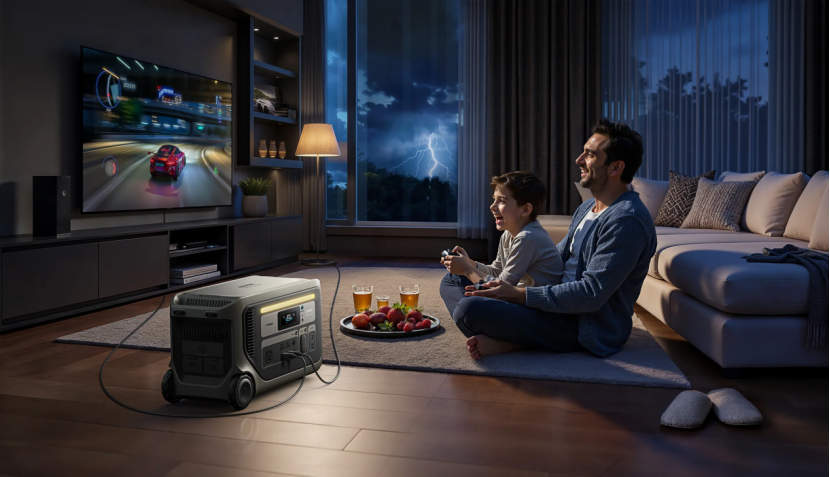
Solar storage becomes a habit when daily activities naturally rely on it. Families may use a stored solar power bank to run lights at night, charge devices, cook small meals, or keep Wi-Fi running during peak billing hours. These routines develop because stored energy feels dependable and easy to access. With the F3000 supplying 3,600W pass-through power and offering ultra-low idle draw, households use it confidently without worrying about sudden shutdowns. Over time, people stop distinguishing between “grid power” and “stored power.” The convenience becomes part of the home environment, shaping routines the same way Wi-Fi or heating does—quietly and consistently.
Cost Savings Reinforce the Daily Use of Stored Solar
Energy habits often shift when people notice real financial benefits. Solar storage becomes part of normal household behavior once it helps reduce monthly electricity costs in ways the user can feel. The F3000 supports self-consumption mode along with time-of-use optimization, allowing homes to run appliances on stored solar during expensive hours and recharge during cheaper periods. Over weeks and months, these savings reinforce the habit: users naturally start timing device use, choosing when to recharge, and relying on stored energy without conscious effort. The storage system stops being a safety net and becomes an everyday financial tool.
Confidence Grows as the System Proves Its Reliability
Households form habits around tools that prove themselves stable. Solar storage becomes part of everyday life when the system shows it can handle both routine loads and unexpected situations. The F3000 remains on standby for up to five days and can keep an 8 cu.ft refrigerator cool for nearly two days during outages. With dual-voltage solar input enabling a full charge in under two hours, families learn they can rely on it even during uncertain weather. As confidence builds, people start using stored power for more tasks—not because they have to, but because it feels reliable. Trust turns backup into a habit.
How Daily Use Patterns Evolve Once Solar Storage Becomes Familiar
Stored Power Becomes the Default for Essential Appliances
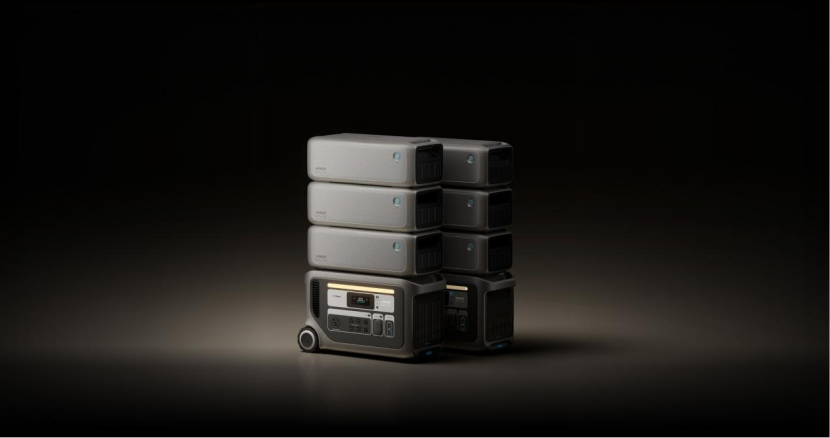
When solar storage integrates into household patterns, people begin assigning it specific roles: powering the refrigerator during storms, supporting climate controls for sensitive rooms, or keeping home office setups running smoothly. With flexible capacity that can expand up to 24kWh, the F3000 fits into these roles naturally. Essential appliances stay connected to stored energy not just for emergencies, but for ongoing efficiency and stability. Over time, using stored power feels safer and smarter than relying entirely on the grid. The system becomes the default power source for critical devices, not the secondary one, which marks a major shift in household expectations.
Solar Charging Becomes a Daily Rhythm Instead of a Backup Task
Solar storage becomes habitual the moment solar charging turns into a predictable cycle. Users set up panels, align them with the sun, and let the system work automatically. The F3000’s dual solar inputs of up to 2,400W allow households to fill their storage reservoir quickly, often in less time than it takes to grocery shop or cook a meal. With such a rapid recharge window, solar charging becomes part of the day’s rhythm—morning sun fills the battery, afternoon loads draw from it, and evening routines continue uninterrupted. People stop thinking of charging as preparation and start seeing it as a normal, ongoing process.
Stored Energy Expands Into Travel, Outdoor Use, and Remote Work
Once stored power becomes a habit at home, families often extend that habit beyond the walls of the house. RV trips, outdoor cooking, backyard movie nights, and remote work setups all benefit from portable stored energy. The F3000 makes this natural with an Anderson port, TT-30R outlet, and strong pass-through capability. The same system that maintains stability during outages becomes the preferred power source for recreation and off-grid experiences. Habits form because the system adapts to different parts of life, not only emergencies. Stored energy becomes a lifestyle tool, flexible enough to follow users wherever they go.
Conclusion
Solar storage shifts from backup to habit when users experience consistency, savings, and convenience every day. They rely on stored energy for essential appliances, integrate solar charging into daily rhythms, and build trust as the system proves reliable across seasons and unexpected outages. The Anker SOLIX F3000 paired with a 400W portable solar panel accelerates this transition with powerful pass-through charging, low idle consumption, rapid solar recharge, and flexible capacity that supports both home essentials and outdoor living. Over time, stored solar energy stops being a contingency plan. It becomes part of how households live, save, and stay prepared—supported by a dependable solar power bank that fits seamlessly into daily routines.