

 By
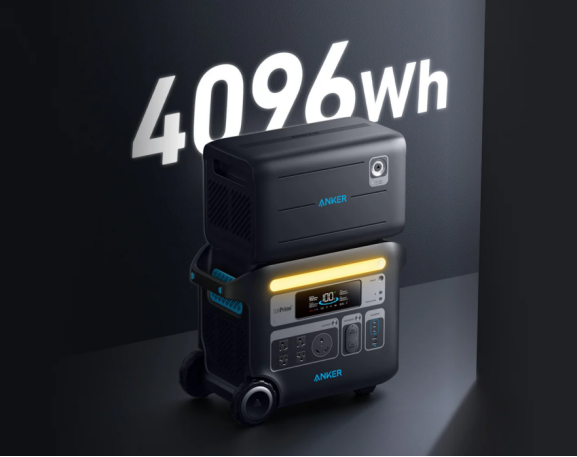
By Solar generators change how people think about energy timing. Unlike grid electricity, which feels constant and unlimited, solar power depends on the sunlight cycles. As soon as users start working with a real solar generator, they notice that its strongest performance window appears in the daytime—when sunlight charges the battery and reduces the need to draw from stored energy. This relationship shapes user behavior. People begin scheduling tasks earlier, aligning charging routines with sunlight availability, and relying on batteries more strategically at night. A system like the Anker SOLIX F2000 Solar Generator + 400W Solar Panel makes these patterns easier to understand, because strong solar input and stable output demonstrate how daytime energy use improves efficiency and long-term reliability.
Why Solar Generators Encourage Daytime-Weighted Energy Use?
Aligning Power Consumption With Real-Time Solar Input
Users naturally shift heavy tasks into the daytime when they see how fast the generator recharges under strong sunlight. The moment panels start working, energy begins flowing directly into the system. This reduces battery drain and increases the total usable power for the day. When people cook, run tools, or operate appliances during peak sunlight hours, they rely less on stored reserves. The Anker SOLIX F2000 Solar Generator + 400W Solar Panel shows this effect clearly because its strong solar input replenishes energy quickly when placed in bright light. Users learn that daytime consumption stretches total runtime, improves efficiency, and keeps battery levels healthier throughout the evening and night.
Reducing Battery Strain By Using Energy While It Is Being Generated
Solar generators store energy in batteries, but every battery experiences more stress when repeatedly discharged deeply. Daytime use minimizes this strain. When appliances run while sunlight actively feeds the system, the generator draws less from its storage. This protects battery health and slows capacity degradation over the years of use. The Anker SOLIX F2000 Solar Generator + 400W Solar Panel supports this pattern by offering fast solar input that offsets much of the daytime load. Over time, users recognize that heavy consumption during daylight extends the lifespan of their system. This natural incentive shifts their habits toward sunlight-rich hours and away from unnecessary nighttime strain.
Creating Predictable Energy Cycles That Match Nature’s Rhythm
Solar-powered systems follow a simple, predictable pattern: energy arrives in the day, and stored reserves support nighttime needs. When users adopt a solar generator, they quickly observe how sunlight shapes their daily energy rhythm. Morning charging builds reserves. Midday charging peaks. Evening shifts to careful usage. This pattern encourages people to use high-demand devices early while reserving battery energy for lighting, cooking, or electronics at night. The Anker SOLIX F2000 Solar Generator + 400W Solar Panel helps build this discipline through steady daytime replenishment. People learn that aligning routines with sunlight prevents energy shortages, improves system stability, and supports long-term planning across seasons.
How Users Adapt Their Routines Around Daytime Power Availability?
Planning High-Demand Tasks When Solar Power Is Strongest
As users gain experience, they begin scheduling energy-heavy activities—like using microwaves, power tools, pumps, or outdoor cooking—during bright hours. This reduces battery draw and ensures a full reserve for the evening. The Anker SOLIX F2000 Solar Generator + 400W Solar Panel supports these decisions by providing strong output for multiple devices while still receiving incoming solar energy. Users often find daytime operations feel more “free,” because they directly use renewable energy rather than stored reserves. Over time, this behavior becomes habitual. Daylight becomes the preferred window for heavier consumption, while nighttime focuses on essentials.
Adjusting Charging And Placement To Maximize Sunlight
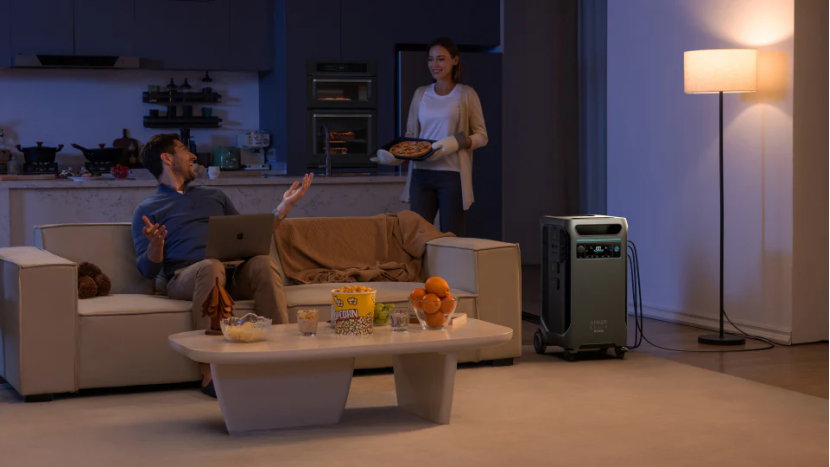
Solar generators shift user attention toward optimizing panel placement during the day. People begin repositioning panels, adjusting angles, and identifying the best locations for morning and afternoon sunlight. This behavior emerges naturally because better placement produces immediate results. Systems with strong solar input potential, such as the Anker SOLIX F2000 Solar Generator + 400W Solar Panel, reward these adjustments with faster recharging and higher total daily output. As users learn their local sunlight patterns—whether they live in bright southern regions or cloudier northern climates—they align device usage with the hours when panels perform best. This reinforces daytime power habits and smoother nighttime energy availability.
Saving Stored Power For Overnight Or Emergency Use
Nighttime power feels more “valuable” once users rely on solar. Because recharging does not happen after sunset, people naturally conserve stored energy for tasks that matter most. Lighting, refrigeration, communication devices, and essential electronics take priority. Users shift entertainment, cooking, outdoor work, or tool use into daylight to ensure enough reserve for the evening. The Anker SOLIX F2000 Solar Generator + 400W Solar Panel helps users maintain this balance because the system offers enough capacity to meet essential nighttime needs when daytime use has been optimized. This strategy also works well with portable solar generators, which benefit greatly from thoughtful energy timing.
Conclusion
Solar generators shift power use toward daytime because sunlight directly reduces battery strain, accelerates energy recovery, and supports predictable daily cycles. Users quickly learn that running appliances while the sun is shining helps preserve stored energy and extend system performance into the evening. Optimized panel placement, strategic task timing, and intuitive energy management all reinforce this natural behavior. The Anker SOLIX F2000 Solar Generator + 400W Solar Panel makes this transition smooth by offering strong solar input, stable output, and smart monitoring tools that guide better energy habits. Over time, users come to view daytime as the most efficient window for power consumption, turning solar energy into a reliable and sustainable daily resource.