

 By
Introduction
Having the best home scanner for Mac can enhance your ability to maintain organized digital records. Whether it’s for photos, documents, or artwork, the right scanner can make a big difference. With the latest scanning technology, you can digitize old memories, important files, and creative projects. In this post, we will explore various capable home scanners compatible with Mac, focusing on what makes them great choices and how to make the most of their features.
Understanding Your Scanning Needs
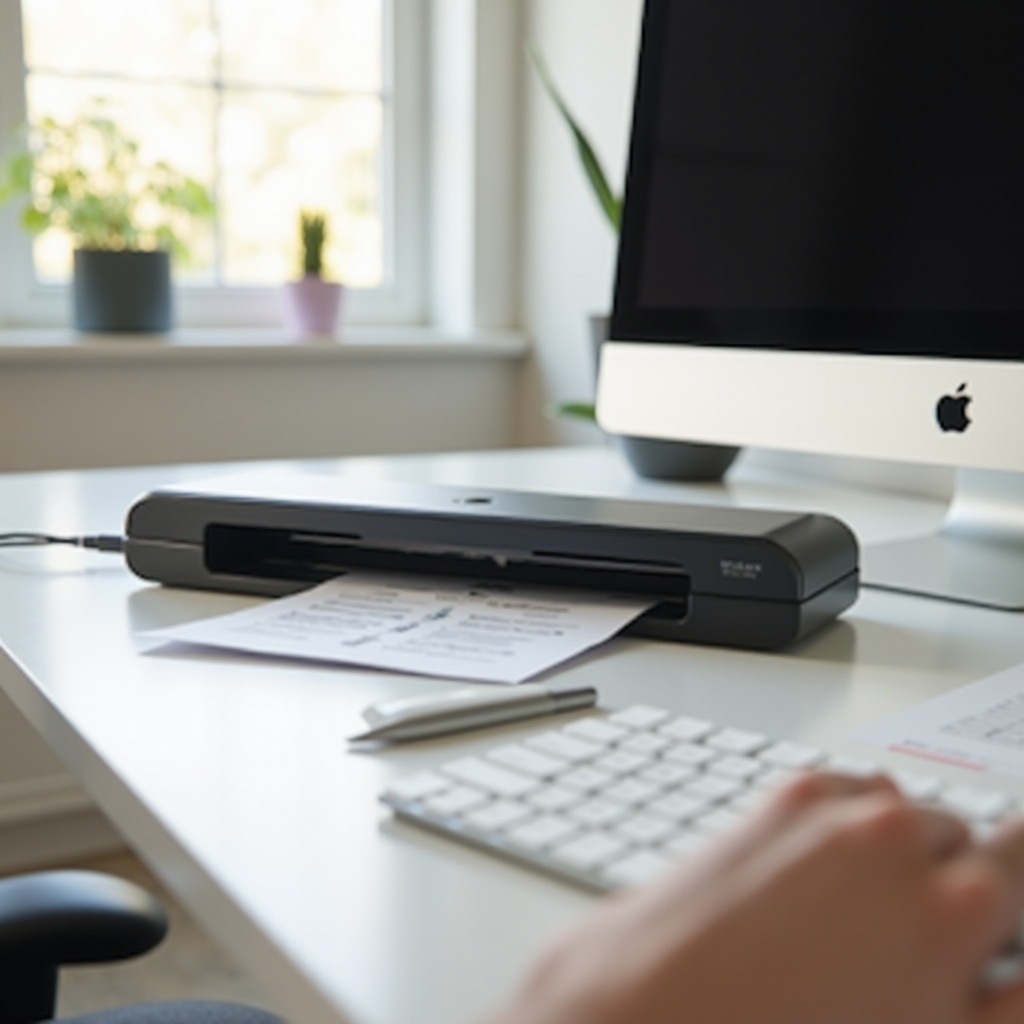
Before diving into the best home scanners for Mac, it’s important to evaluate your scanning needs. This will help you find a scanner that suits your specific requirements. Are you scanning documents for work, detailed photos, or perhaps old film negatives? Determine the volume and frequency of your scanning tasks. Understanding these factors ensures you’ll choose a scanner that can handle your workload and deliver the required quality.
Key Features to Look for in a Home Scanner
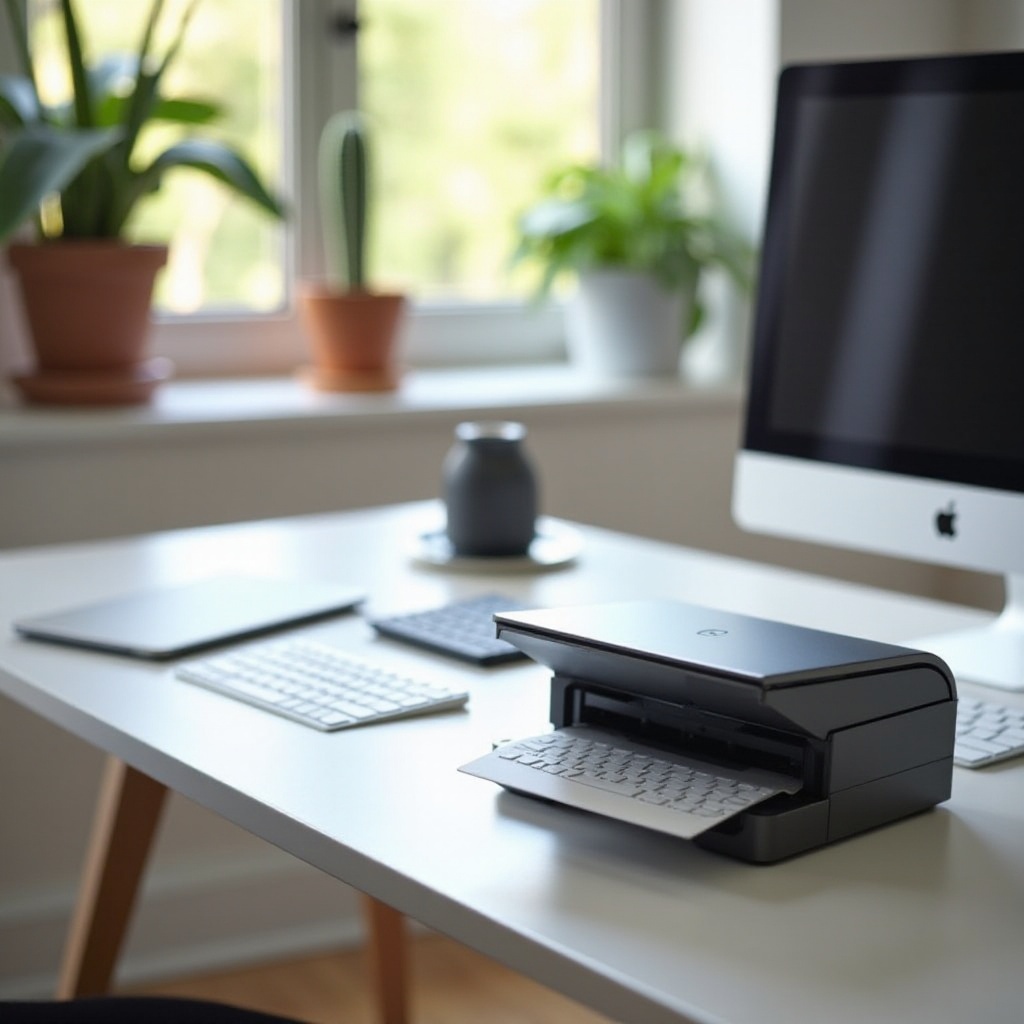
When searching for the best home scanner for Mac, several features should be considered:
- Compatibility: Ensure that the scanner is compatible with macOS and any scanning software you plan to use.
- Resolution: Look for scanners that offer high resolution (preferably 600 DPI or higher) for clear, sharp images.
- Color Depth: Higher bit depth provides more color detail. 48-bit color is preferable for photo scanning.
- Speed: Document scanners should offer high-speed scanning to handle multiple sheets quickly.
- Connectivity: Check for USB, Wi-Fi, or Bluetooth options to connect your scanner to your Mac seamlessly.
- Automatic Document Feeder (ADF): An ADF is handy for scanning large volumes of documents unattended.
- Portability: Consider the scanner’s size if you need to move it around regularly.
- Software: Bundled software can make a big difference in ease of use and functionality.
Top Home Scanners for Mac in 2024
Below, we have compiled a list of the top five home scanners for Mac in 2024, examining their features, pros, and cons.
Scanner 1: Features, Pros, and Cons
Features: Scanner 1 boasts a high resolution of 1200 DPI, 48-bit color depth, Wi-Fi connectivity, and an ADF for 50 pages.
Pros:
– Exceptional image quality
– Versatile connectivity options
– Handles large volumes efficiently
Cons:
– Slightly bulky
– Higher price point
Scanner 2: Features, Pros, and Cons
Features: This portable scanner offers a 600 DPI resolution, USB connectivity, and a sleek design perfect for compact spaces.
Pros:
– Highly portable
– Affordable
– Simple setup
Cons:
– Limited to USB connectivity
– Lower resolution
Scanner 3: Features, Pros, and Cons
Features: Scanner 3 includes an impressive 2400 DPI resolution, Bluetooth and Wi-Fi options, and robust scanning software for macOS.
Pros:
– Exceptional resolution
– Comprehensive connectivity options
– Intuitive software
Cons:
– Pricey
– Requires regular software updates
Scanner 4: Features, Pros, and Cons
Features: With an emphasis on speed, Scanner 4 delivers 300 DPI scans with a unique sheetfeeding design that handles 20 pages per minute.
Pros:
– Very fast scanning
– Compact and sleek
– Affordable
Cons:
– Lower resolution
– Minimal color depth
Scanner 5: Features, Pros, and Cons
Features: This film and photo scanner offers a 4800 DPI resolution and a special feeder for negatives and slides.
Pros:
– Ideal for film scanning
– Excellent resolution
– Easy to use
Cons:
– Not suited for documents
– Slightly specialized and expensive
How to Set Up and Use Your Home Scanner on Mac
Setting up a home scanner on your Mac is usually straightforward:
- Connect the Scanner: Use the USB cable, Wi-Fi, or Bluetooth to connect the scanner to your Mac.
- Install Drivers: Download and install any necessary drivers from the manufacturer’s website.
- Install Software: Often scanners come with their own scanning software. Follow the installation instructions.
- Test the Scanner: Run a test scan to ensure everything is working correctly. Adjust settings as needed.
- Optimize Settings: Customize the settings for your specific tasks, such as choosing the right resolution and color depth.
Common Issues and Solutions for Home Scanners
Here are some common issues you may encounter with home scanners and how to resolve them:
- Scanner Not Recognized: Ensure that the scanner is properly connected and that the driver is up-to-date. Restart your Mac and scanner.
- Poor Scan Quality: Check the resolution settings. Adjust the brightness and contrast settings within the scanning software.
- Paper Jams: Make sure the papers are clean, dry, and not wrinkled. Double-check the feeder for obstructions.
- Slow Scanning: Close other applications to free up your system’s resources.
Conclusion
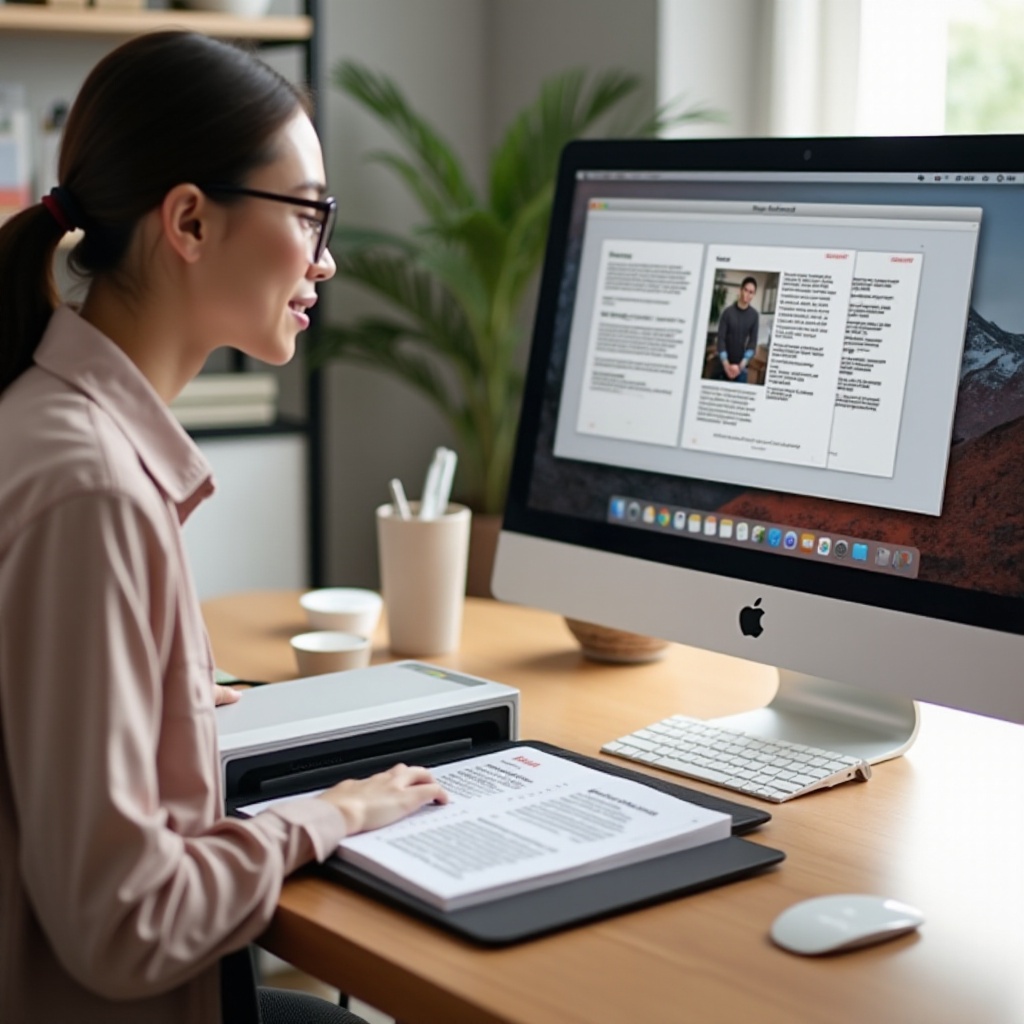
Choosing the best home scanner for Mac depends on understanding your needs, identifying key features, and addressing common issues. Make sure the scanner you choose is compatible with macOS and can handle the specific tasks you require, from document scanning to photo digitization.
Frequently Asked Questions
How can I ensure compatibility with my Mac?
Ensure the scanner’s specifications list compatibility with macOS. Checking the manufacturer’s website for any necessary drivers and supported software is also beneficial.
What is the best type of scanner for photo scanning?
A flatbed scanner with high resolution (e.g., 1200 DPI or more) and 48-bit color depth is ideal for photo scanning to capture detailed and vibrant images.
How often should I maintain my scanner?
Regular maintenance every few months includes cleaning the scanner glass and dusting the feeder. Depending on usage, heavier or more frequent maintenance may be necessary for optimal performance.