

 By
By Introduction
Finding yourself with a phone swiftly draining its battery and no traditional charger in sight can be unnerving. Luckily, modern technology and innovative methods offer you a multitude of alternatives to keep your device powered up. Whether it’s utilizing a USB port, leveraging wireless charging techniques, or even harnessing solar energy, these methods ensure you are never left without power. In this article, we will explore creative and practical solutions for charging your phone without a charger in 2024.
Using a USB Port
One of the simplest methods to charge your phone without a traditional charger is by using a USB port. With a USB cable at hand, you can connect your phone to several devices such as a laptop, desktop computer, or even some modern televisions that come equipped with USB ports. Many airlines now offer USB ports for passenger convenience, making this an indispensable option for travelers.
To effectively use a USB port for charging, follow these steps:
1. Locate a USB port on a computer, TV, or any other compatible device.
2. Connect your phone to the device using a USB cable.
3. Ensure that the connected device is powered on and not in sleep or hibernation mode.
This method can vary in charging speed. It’s often slower than using a conventional charger, but it can provide a crucial power boost when needed. Always opt for high-quality USB cables to ensure efficient power transfer and reduce the risk of damage to your phone.
Wireless Charging Methods
Wireless charging has gained popularity due to its convenience and ease. By eliminating the need for cables, these methods offer a clutter-free way to charge your devices. Let’s delve into the different options available.
Using a Wireless Charging Pad
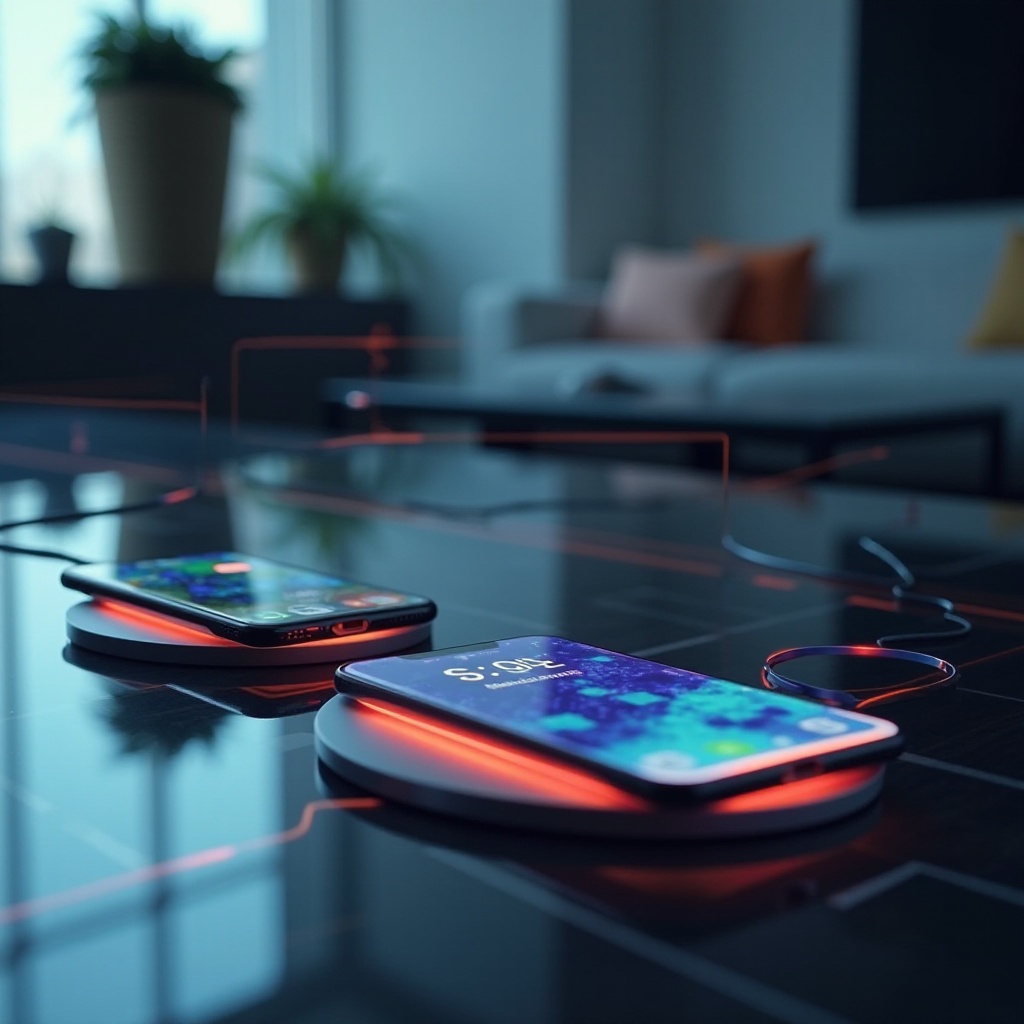
A wireless charging pad is a flat surface that uses electromagnetic induction to transfer power to your phone. Here’s how to use it:
1. Connect the wireless charging pad to a power source using the provided adapter.
2. Place your phone on the charging pad. Ensure that the phone is centered for optimal charging.
3. Look for a notification or indicator on your phone screen that confirms charging has started.
Using a Wireless Charging Case
For those who want a more integrated wireless solution, wireless charging cases are an excellent choice. These cases have built-in wireless receivers, allowing your phone to be charged on any compatible wireless charging pad. They provide the added benefit of extra protection for your phone. Here’s how to use one:
1. Place your phone into the wireless charging case.
2. Place the phone (now inside the case) on a wireless charging pad.
3. Ensure that the phone is properly aligned to start charging.
Both options are incredibly convenient, allowing you to simply place your phone down to begin charging without needing to connect and disconnect cables constantly.
Using a Power Bank
Power banks remain a popular option due to their portability and efficiency. These handy devices act as an external battery, which you can use to recharge your phone on the go. Let’s discuss how to choose a reliable power bank and some best practices for maintenance.
Choosing a Reliable Power Bank
When selecting a power bank, consider the following:
1. Capacity: Measured in milliamp-hours (mAh), higher capacity means more charge cycles for your phone. For most smartphones, a power bank of at least 10,000 mAh is recommended.
2. Output Power: Look for a power bank with at least 2.1A output to ensure efficient charging.
3. Size and Weight: Balance capacity with portability. For daily use, a compact model is preferable, whereas for travel, higher capacity models are justifiable despite their size.
Best Practices for Maintenance
To ensure your power bank remains reliable:
1. Avoid complete discharges: Try to keep the power bank charged above 20% to extend battery life.
2. Store correctly: Store your power bank in a cool, dry place when not in use.
3. Regular usage: Use your power bank periodically to keep the battery cells active and functioning optimally.
Manual Chargers
For situations where you have no access to electricity, manual chargers provide a unique solution to keep your phone powered. Let’s explore two types: hand crank and kinetic chargers.
Hand Crank Chargers
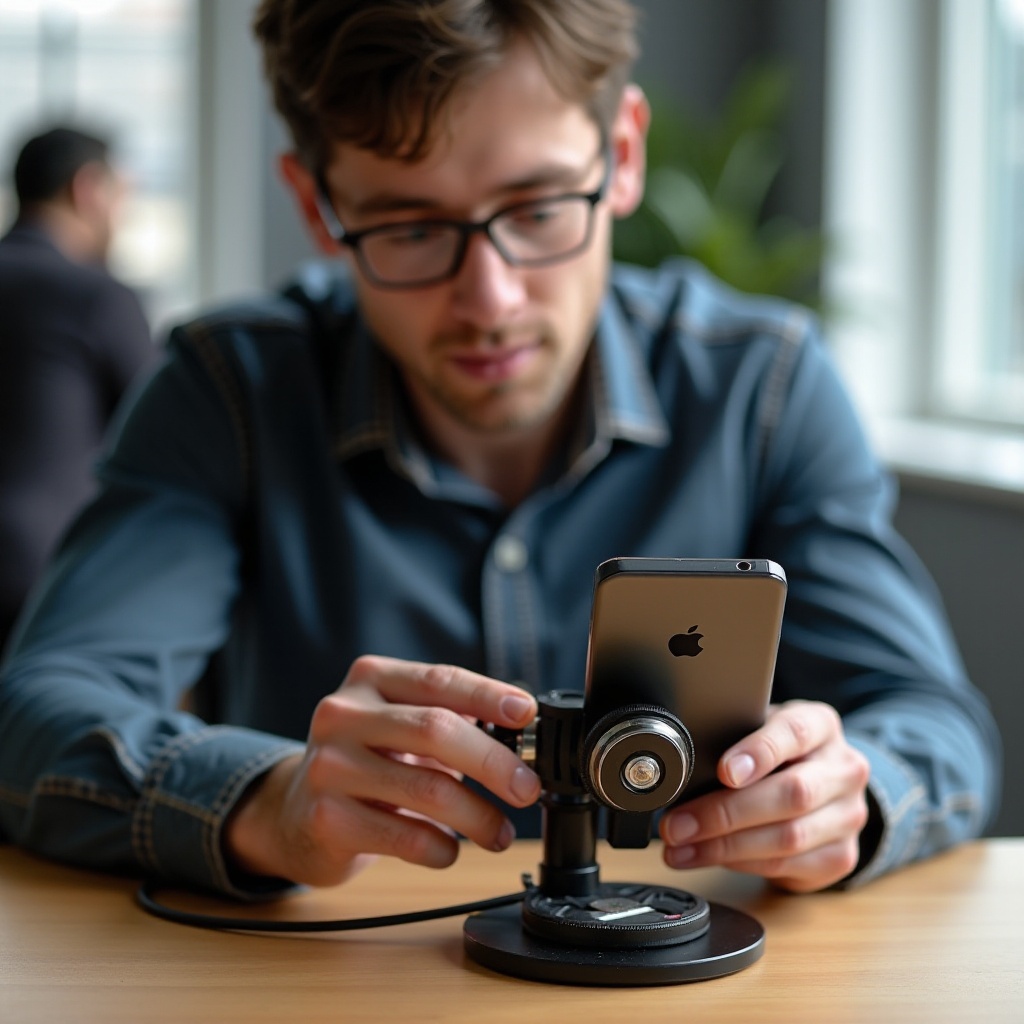
Hand crank chargers are portable and require manual effort to generate energy. Here’s how they work:
1. Connect your phone to the hand crank charger.
2. Start turning the crank to generate power.
3. Maintain a consistent pace to ensure a steady charge.
These chargers can be a lifesaver during power outages or when you’re far from traditional power sources.
Kinetic Chargers
Kinetic chargers convert motion into energy. They are often integrated into wearable devices or accessories that generate power through your movements. To use a kinetic charger:
1. Attach the device to your person (e.g., wristband or backpack).
2. Go about your daily activities, allowing your movements to generate power.
3. After accumulating energy, connect your phone to the charger to transfer power.
Kinetic chargers are particularly useful for outdoor enthusiasts who spend a lot of time moving.
Solar Chargers
Solar chargers harness the power of the sun, making them an excellent option for outdoor adventures. Let’s discover how solar energy can charge your phone and the factors to consider when selecting a solar charger.
How Solar Energy Can Charge Your Phone
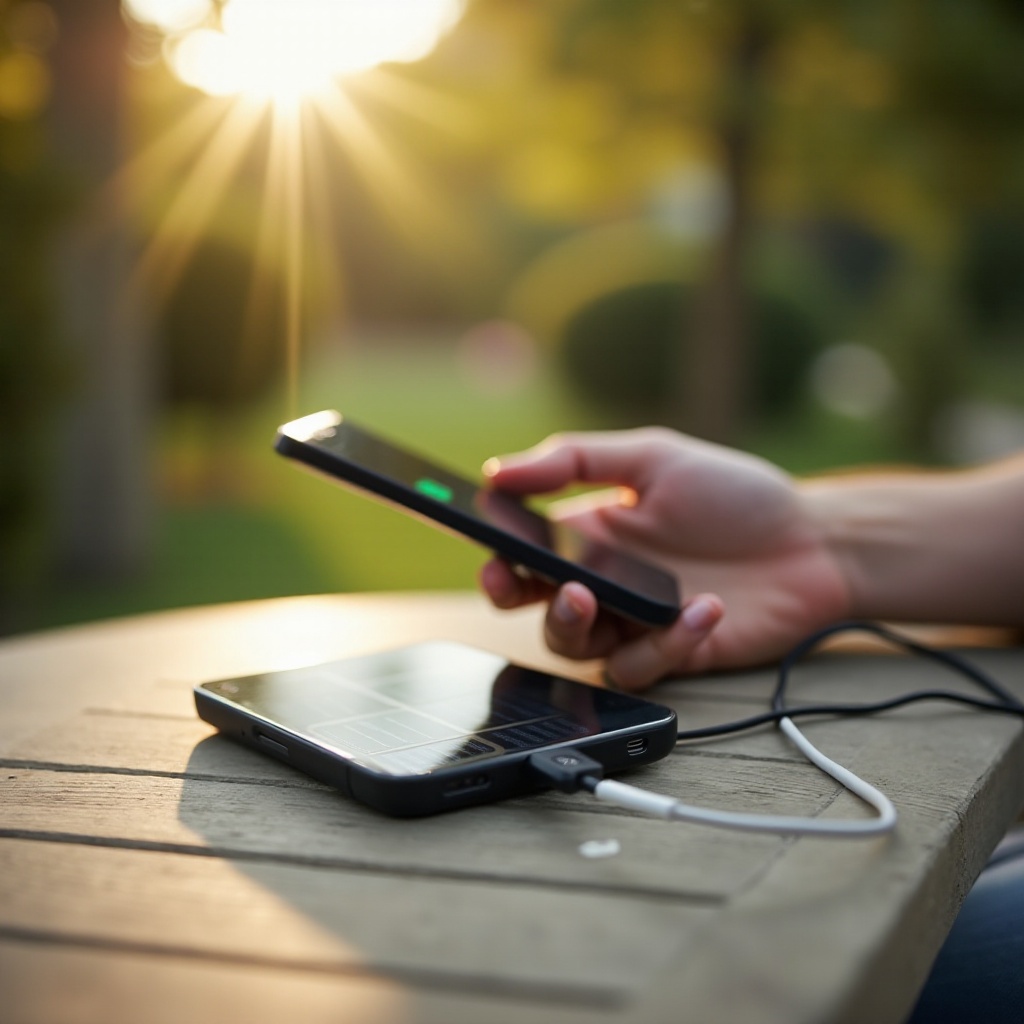
To charge your phone with solar energy:
1. Unfold the solar charger and place it in direct sunlight.
2. Connect your phone to the charger using a USB cable.
3. Monitor your phone to ensure charging is taking place.
Best Portable Solar Chargers
When selecting a solar charger, look for:
1. Wattage: Higher wattage translates to faster charging.
2. Portability: Lightweight and foldable models are easier to carry.
3. Durability: Ensure the charger is robust and water-resistant to withstand outdoor conditions.
Solar chargers are an eco-friendly and sustainable option, perfect for hikers and campers.
Conclusion
Whether you’re at home, traveling, or exploring the great outdoors, alternative charging methods can keep your phone powered up. From using USB ports and wireless charging to harnessing solar energy, each method offers unique advantages. By understanding these options and preparing adequately, you’ll ensure that your phone remains charged, even without a traditional charger.
Frequently Asked Questions
Can I charge my phone with a USB port without a charger?
Yes, you can use a USB port on devices like computers and TVs to charge your phone using a USB cable.
Are hand crank chargers effective for phone charging?
Hand crank chargers can provide a small amount of power and are useful during emergencies when no other power source is available.
Is it safe to use alternative phone charging methods?
Generally, yes. However, always use high-quality devices and follow the manufacturer’s instructions to ensure safety and efficiency.