

 By
Introduction
Many vehicle owners and enthusiasts often wonder about the effectiveness of OBD2 scanners. These devices, known for diagnosing car issues, have become increasingly popular. But are OBD2 scanners any good? This guide will explore the functionalities, benefits, and limitations of OBD2 scanners to help you decide if they are worth the investment.
Understanding OBD2 Scanners
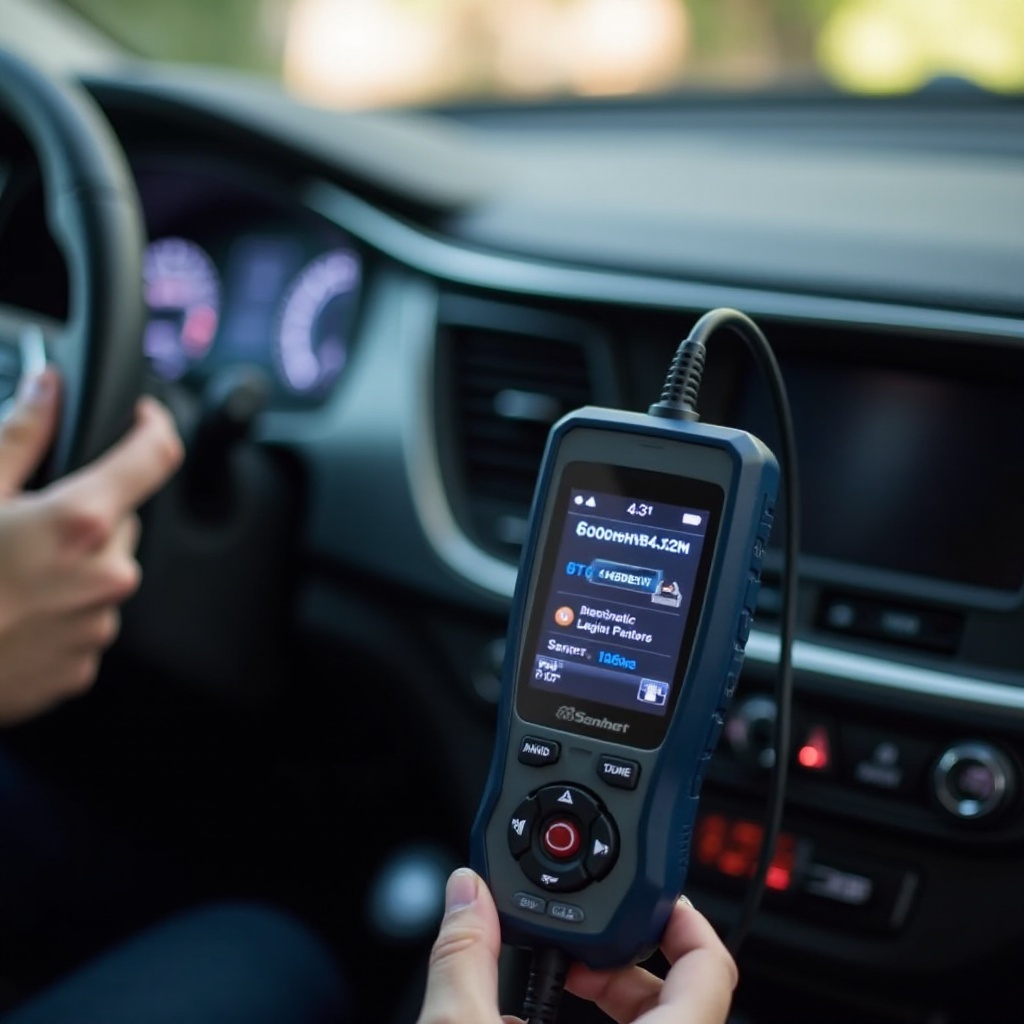
OBD2, or On-Board Diagnostics II, scanners are devices that interface with your vehicle’s computer system. They read diagnostic trouble codes (DTCs) generated by the car’s engine control unit (ECU). By displaying these codes, OBD2 scanners help identify what’s wrong with the vehicle.
These scanners can be plugged into the OBD2 port, usually located under the dashboard. Once connected, they can provide real-time data and diagnostic information. This technology was made mandatory in vehicles sold in the United States since 1996, ensuring a standardized system for emissions control and diagnostics.
Benefits of Using OBD2 Scanners
Accurate Diagnostics
OBD2 scanners offer precise diagnostic capabilities. They can quickly pinpoint the source of a problem by providing specific error codes. This accuracy can be crucial in identifying issues early and preventing further damage.
Cost Savings
By using an OBD2 scanner, car owners can save significant amounts on mechanic bills. Diagnosing issues at home means fewer trips to the auto repair shop. Minor problems can be fixed independently, eliminating the need for professional services for every little issue.
Ease of Use for Vehicle Owners
Many OBD2 scanners are designed with user-friendliness in mind. Even those with minimal mechanical knowledge can operate these devices. With simple interfaces and clear instructions, diagnosing car problems has never been easier.
Compatibility with Various Vehicles
Most OBD2 scanners are compatible with a wide range of vehicles. Whether you own a sedan, SUV, or truck, there’s a high probability that your OBD2 scanner will work seamlessly with your vehicle. This universal compatibility adds to the convenience.
Types of OBD2 Scanners
To better understand the range of options available, it is essential to recognize the different types of OBD2 scanners currently on the market.
Basic Code Readers
Basic code readers are the simplest form of OBD2 scanners. They can read and clear standard diagnostic trouble codes. These devices are affordable and ideal for casual vehicle owners who need to perform basic diagnostics.
Advanced Scan Tools
Advanced scan tools offer more extensive diagnostic capabilities. They not only read and clear codes but also provide live data, ABS, and airbag diagnostics. Some models even offer bi-directional control, allowing users to run tests and calibrations.
Bluetooth/Wireless Scanners
Bluetooth or wireless scanners connect to your smartphone or tablet. Using a dedicated app, they provide a wealth of information directly to your device. These scanners are convenient and often come with advanced features found in professional scan tools.
Choosing the Right OBD2 Scanner
Selecting the appropriate OBD2 scanner requires careful consideration of several factors to ensure it meets your specific needs effectively.
Key Features to Consider
When selecting an OBD2 scanner, consider key features like compatibility, ease of use, and the range of diagnostic capabilities. Look for features such as the ability to read enhanced codes, live data streaming, and manufacturer-specific code reading. Additionally, ensure the scanner can be updated with the latest software to stay current with new vehicles and their systems.
Popular Brands and Models
Several popular brands offer reliable OBD2 scanners. Brands like Autel, Innova, and BlueDriver are highly recommended. For instance, the Autel MaxiCOM MK808BT is known for its comprehensive diagnostic functions, while the BlueDriver Bluetooth Professional OBDII Scanner is praised for its wireless convenience and robust app interface.
User Reviews and Ratings
Before purchasing, it’s wise to check online reviews and ratings. Real-user feedback can provide insights into the scanner’s performance, durability, and ease of use. Websites like Amazon, forums, and automotive sites often feature detailed reviews that can guide your decision.
Limitations of OBD2 Scanners
Despite their usefulness, it is essential to be aware of the limitations OBD2 scanners may have in various diagnostic scenarios.
What They Can and Can’t Do
While OBD2 scanners are powerful tools, they are not without their limitations. They can identify problems related to the engine, transmission, and emissions systems. However, they may not diagnose issues unrelated to these systems, such as body control modules or infotainment problems.
Dependency on User Knowledge
Accurate diagnostics also depend on the user’s knowledge. An OBD2 scanner may provide a code indicating a problem, but understanding that code and taking appropriate action requires some level of automotive knowledge. Without proper interpretation, users may misdiagnose or overlook issues.
How Professionals Use OBD2 Scanners
Professional mechanics and automotive technicians use OBD2 scanners as part of a broader diagnostic routine. They rely on more advanced scanners with extensive databases that cover a wide range of makes and models. These professionals use the scanners in conjunction with other diagnostic tools and their expertise to pinpoint exact issues and perform precise repairs. This multipronged approach ensures comprehensive vehicle diagnostics and maintenance.
Conclusion
OBD2 scanners are essential tools for vehicle diagnostics. They are good for identifying problems early, saving on repair costs, and providing valuable data to both car owners and professionals. By understanding their benefits, limitations, and how to choose the right one, you can make an informed decision about their usefulness.
Frequently Asked Questions
Are OBD2 scanners worth the investment?
Yes, OBD2 scanners are worth the investment for both vehicle owners and professionals due to their diagnostic capabilities and cost-saving potential.
How often should I use an OBD2 scanner?
Use an OBD2 scanner when your check engine light comes on, or periodically for routine diagnostics to ensure your vehicle is running well.
Can an OBD2 scanner help with emissions testing?
Yes, OBD2 scanners can check if your vehicle is ready for emissions testing by reading the emission-related codes and identifying any issues.